Innovative therapeutic option now available in the Philippines, bringing hope to NF1-PN patients
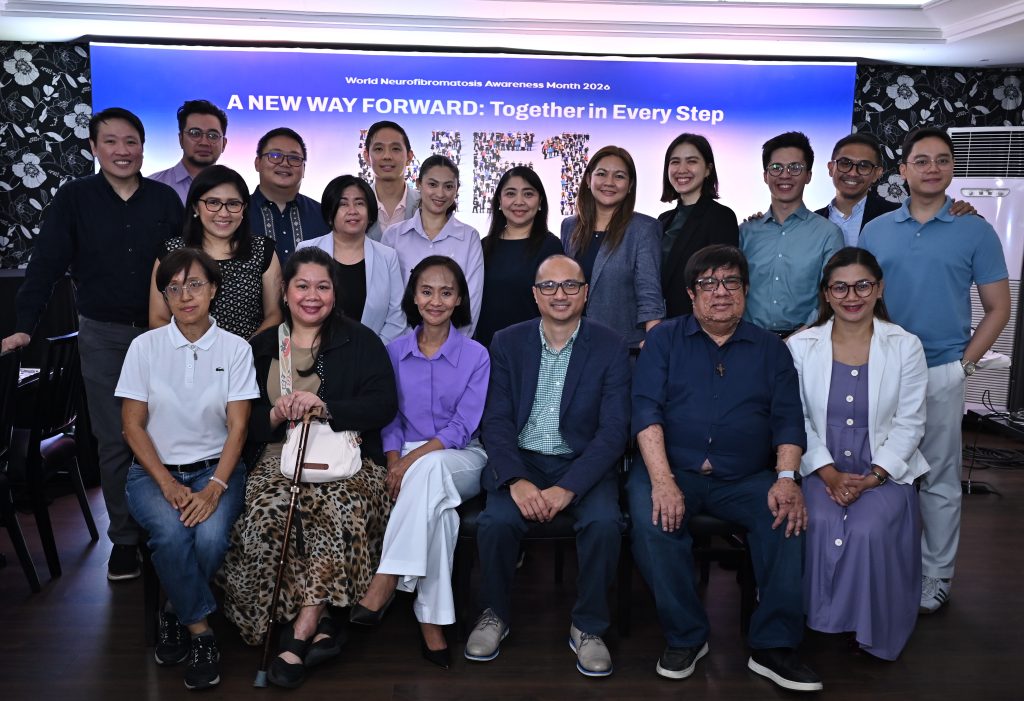
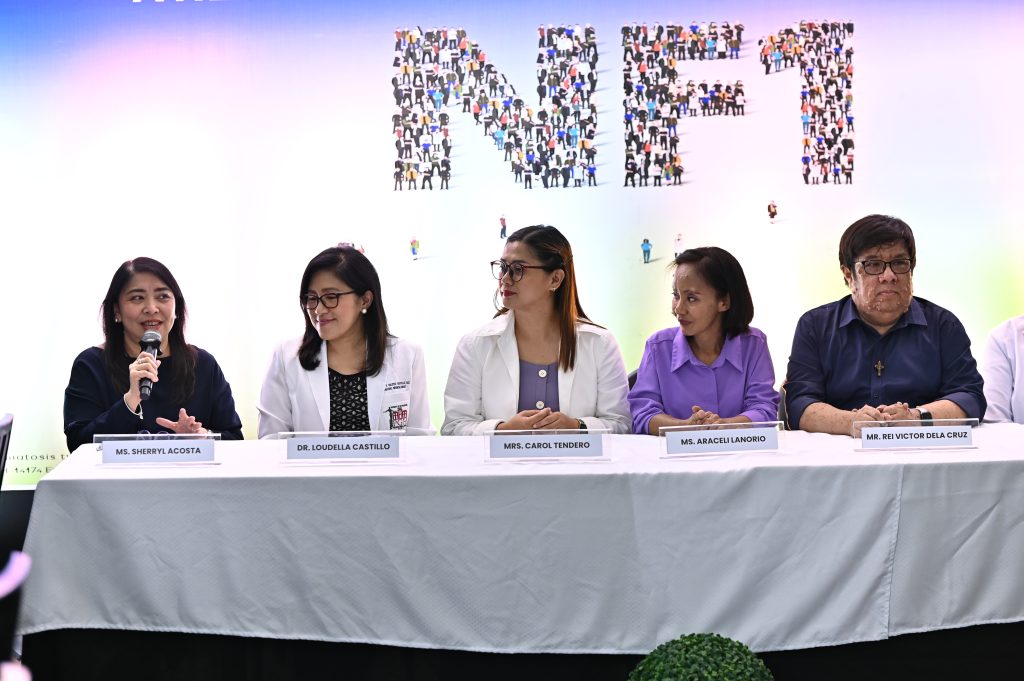
MANILA, Philippines (May 22, 2026) — AstraZeneca Philippines, together with healthcare professionals, patient advocates and caregivers, convened on World Neurofibromatosis Day to discuss the challenges facing Filipinos living with Neurofibromatosis Type 1 (NF1) and to mark a milestone: the availability of an innovative therapeutic option in the Philippines that brings hope to NF1-Plexiform Neurofibromas (NF1-PN) patients in the Philippines.
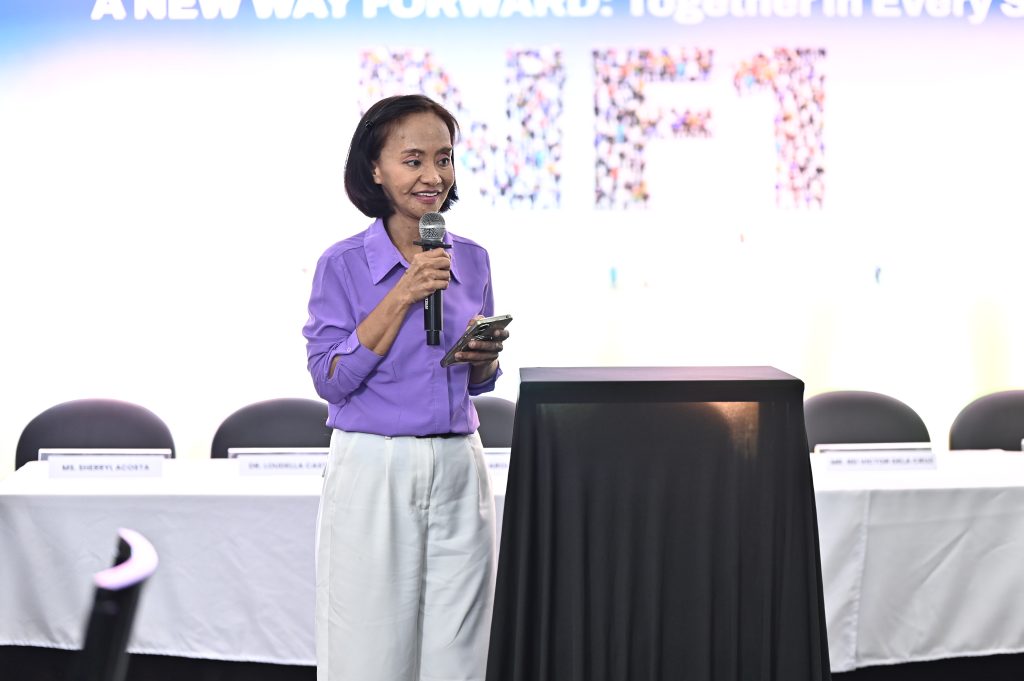
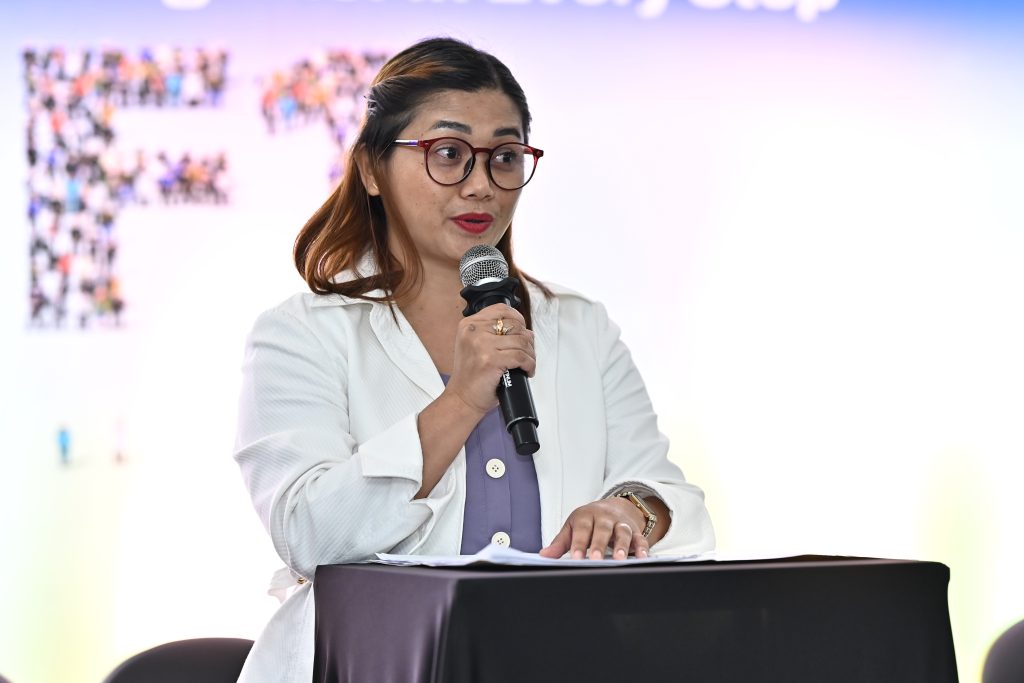
The event, titled “A New Way Forward: Together Through Every Step,” brought together the NF1 community to share patient experiences, address persistent gaps in diagnosis and care, and highlight how emerging treatment options are beginning to transform outcomes for Filipino patients and their families.
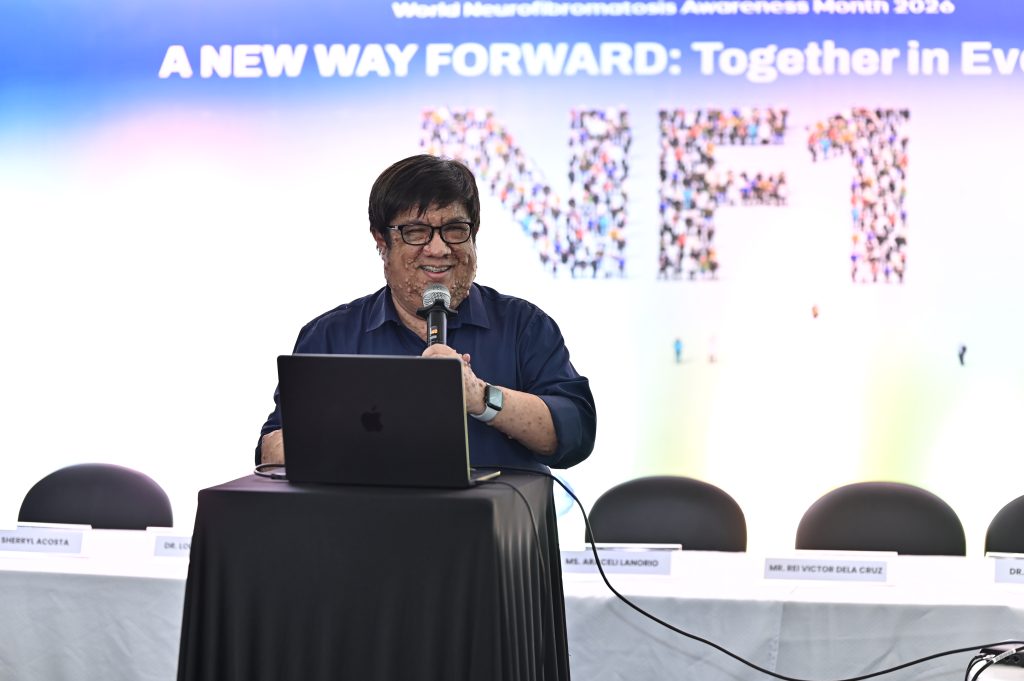
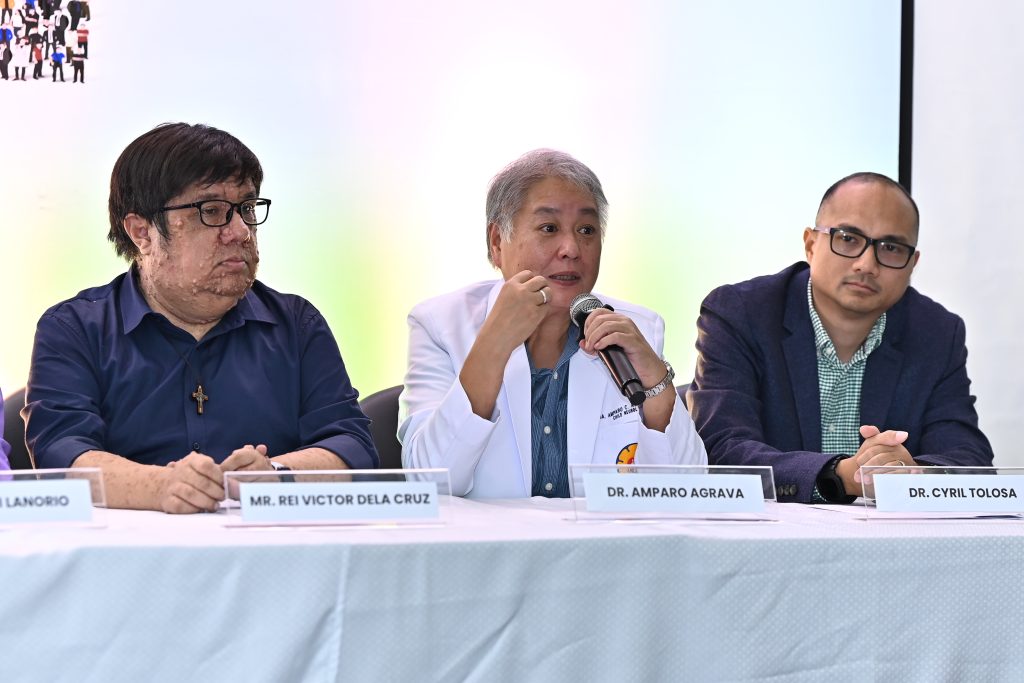
“I have lived with NF1 for most of my life, but I never allowed it to define who I am,” said 52-year-old Reivi Dela Cruz, who was diagnosed with NF1 at just four years old. “My parents taught me that my condition should never stop me from pursuing my goals, and that mindset helped me build a career, serve my community, and continue moving forward. We are not defined by our condition but iNFinite possibilities.”
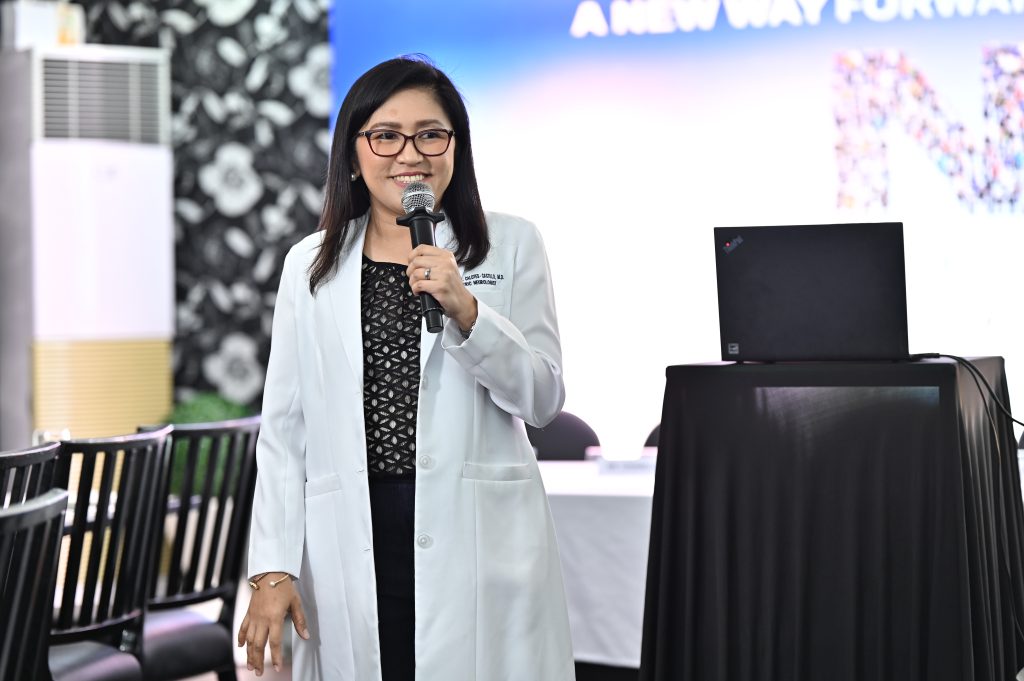
“As healthcare professionals, one of our responsibilities is helping patients reach the right doctors and support systems,” Dr. Loudella Castillo said. “When we address not only the medical needs of patients but also their emotional and psychosocial needs, families become more empowered to participate actively in care and decision-making.” It’s also important for families and communities to understand that Neurofibromatosis Type 1 (NF1) is not contagious. Greater understanding and empathy can go a long way in helping patients feel supported and included.”
A Condition Where No Two Are Alike
NF1 is a rare genetic condition affecting approximately 1 in 3,000 people worldwide.1 It causes tumors to grow along the nerves and can lead to complications involving the skin, bones, eyes and brain.2 No two patients present the same way3 — some patients live independently, while others require lifelong care and support.
The variability, combined with low awareness among both the public and general practitioners, is one of the primary reasons that many patients in the Philippines go undiagnosed or misdiagnosed.4 Social stigma also becomes a challenge, with symptoms such as skin growths and noticeable markings, which can lead to discrimination, affecting how patients are perceived at school, in the workplace and in their communities.
A Call for Awareness
Advocates emphasized that the path to diagnosis remains one of the most painful parts of the NF1 journey. Many patients consult multiple specialists over the course of several years before receiving a confirmed diagnosis — delaying not just treatment, but access to the right support systems and care.
“I remember when I was diagnosed and seeing how difficult it was for my family, especially my mother,” Araceli Lanorio, NF1 patient and advocate, said. “Many parents spend years looking for answers, treatment options, and support. Through awareness and education, we hope families realize they are not alone and that people are willing to help them navigate this journey.”
Beyond diagnosis, awareness remains key in helping patients living with the condition to live their lives better, especially for children.
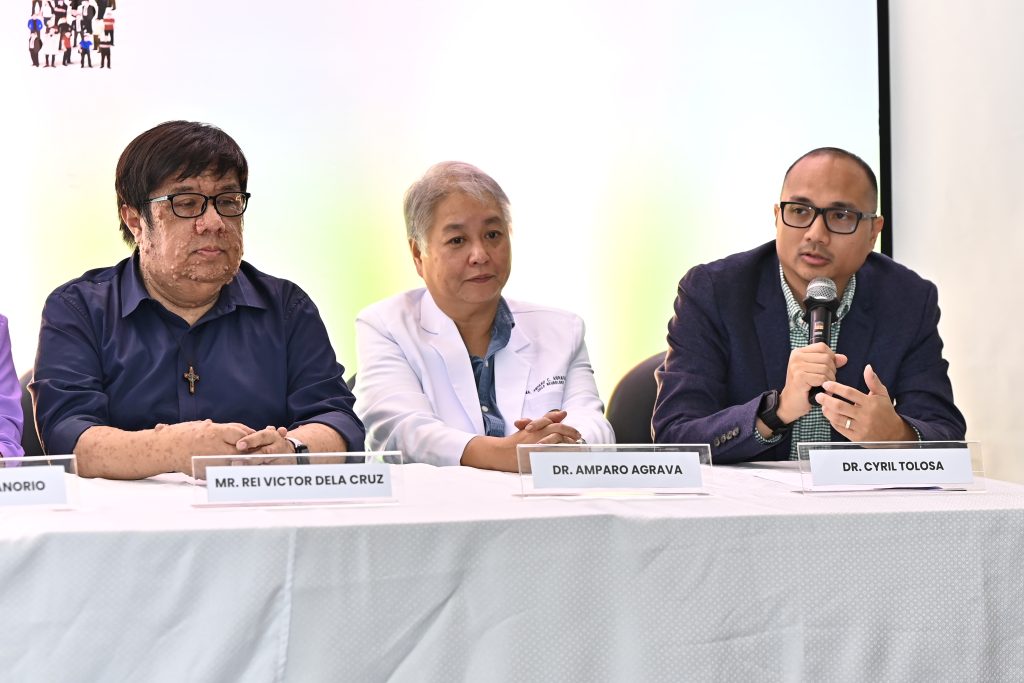
“Awareness is important because when families, schools, and communities understand the condition better, children are given a greater opportunity to thrive.” Dr. Amparo Itto Agrava, Pediatric Neurologist and Neurosonologist, said. “Support starts with the family. The way parents accept and support their child influences how that child sees themselves.”
A Treatment Milestone
The event marked a significant development in Philippine rare disease care: A Filipino patient recently became the first in the country to receive an approved targeted therapy for NF1-PN.
Plexiform Neurofibromas (PN) are a common manifestation of NF1, in which tumors arise from tissues that cover and protect the nerves and can appear anywhere inside or outside the body. Although surgery may be done to remove some PN, most PN are inoperable, which can cause pain, physical impairment and other complications.5
This milestone represents a new chapter for NF1-PN patients in the Philippines, as they now have an approved targeted therapy option within reach.
“When we learned that a treatment option was available for my son, we felt a mix of emotions—joy, hope, and relief,” Mrs. Carol Tendero, mother and caregiver of a five-year-old NF1 patient, said. “We are very grateful for the medical advancements that made this possible, as well as the healthcare professionals who have supported us throughout our journey.”
A Call for Collective Action
Healthcare experts at the event stressed that while NF1 remains a lifelong condition, multidisciplinary care and continued research can meaningfully improve outcomes.
Advocates at the event also called on policymakers to invest in rare disease centers and create clearer referral pathways to serve people with conditions like NF1.
AstraZeneca also reaffirmed its commitment to supporting patients living with NF1-PN, not only through life-changing innovations but also in fostering collaboration across the rare disease community.
“At AstraZeneca, we believe that every patient living with rare diseases deserves access to innovation, dignity and a healthcare system that sees them,” said Dr. Cyril Tolosa, Medical Affairs Director for Biopharmaceuticals and Rare Disease, AstraZeneca Philippines. “Ultimately, our goal is to help patients live their lives fully and participate in their communities. That requires collaboration among patients, families, healthcare professionals, patient organizations, government, and industry. Awareness should lead to action.”